
What is a septic tank?
A septic tank is a key component of a septic system used to treat wastewater from homes and buildings in areas not connected to a municipal sewer system. It’s typically buried underground and receives wastewater from bathrooms, kitchens, and laundry. Inside the tank, solids settle to the bottom forming sludge, while oils and grease float to the top as scum. The liquid effluent flows out into a drain field where the soil further treats it. Regular maintenance and pumping are crucial to ensure the septic system operates properly.
Who is qualified to install septic tanks near me?
The installation of septic tanks should be done by licensed professional septic tank installers who have the proper training and certification.
These include:
- Septic System Installers: Reeves Grading, Hauling and Septic Tanks are professional septic tank installers specifically trained to design and install septic systems throughout Georgia. In Georgia, all qualified septic tank installers are located on the Georgia Dept of Health list of They are typically licensed by the state or local government and must comply with local health and safety regulations for Dawson County, Forsyth County, Hall County, Rabun County and any other counties in North Georgia.
- Plumbers: In some areas, licensed plumbers may be qualified to install septic tanks, especially if they are also certified in septic system installation. Most of the time licensed plumbers sub-contract septic tank installation to larger specialized companies like Reeves Septic Tanks.
- Contractors Specializing in Septic Systems: Some general contractors specialize in septic tank system installation and are licensed to perform this work.
Please note:
Before hiring, it’s important to ensure that the professional has the appropriate licenses and certifications for your area. Local health departments or environmental agencies often regulate septic system installation, and they may require inspections or permits for installation.
Additionally, it’s a good idea to check for experience and ask for references to ensure the work is done correctly. Reeves often does a lot of correction work that could have been prevented by hiring an expert to begin with. Don’t slow down your entire project. Call a professional like Reeves to begin with.

How do septic tank contractors work?
Septic tank contractors specialize in the installation, maintenance, and repair of septic systems. Here’s an overview of how most septic tank installers throughout North Georgia typically work:
1. Site Assessment
- Initial Evaluation: The contractor will visit your property to assess the layout and soil conditions. This may include checking the size of your home, number of bathrooms, and determining where the tank and drain field should be placed.
- Soil Test: They may perform a percolation test (also called a “perc test”) to evaluate the soil’s ability to absorb effluent. This helps in determining the appropriate size of the tank and the drain field.
- Permits: The contractor will work with you to obtain necessary permits from local authorities, as septic system installation typically requires official approval.
2. Designing the System
- Tank Size and Placement: Based on the results of the site assessment, the contractor will recommend a septic tank size and location, ensuring compliance with local regulations.
- System Type: They will also choose the type of septic system (gravity, pump-assisted, or aeration) depending on the site conditions and your home’s wastewater needs.
3. Installation Process
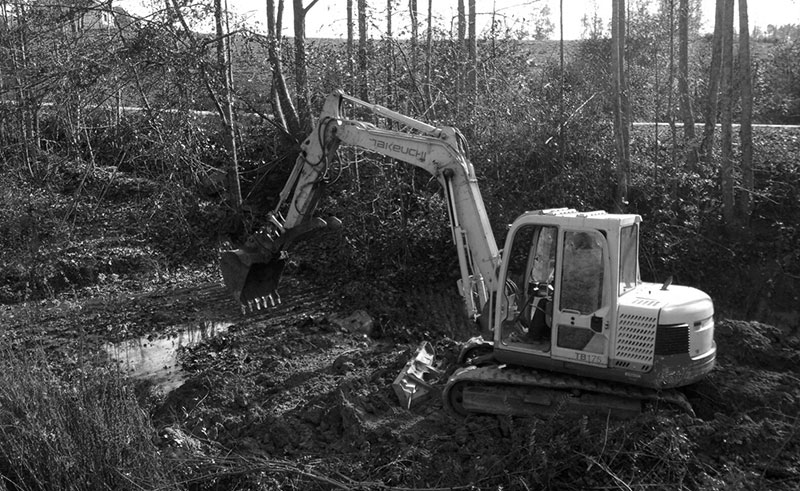
- Excavation: The contractor will begin by excavating the area where the tank and drain field will be placed. This often involves heavy equipment, such as backhoes and excavators.
- Tank Placement: The septic tank, typically made of concrete, plastic, or fiberglass, is placed in the excavated hole. It must be level and properly connected to the plumbing from the home.
- Drain Field Installation: The drain field, or leach field, is also installed at a proper depth to allow for effective filtration of the wastewater.
- Connection: The contractor connects the tank to the home’s plumbing system, ensuring that wastewater flows correctly into the tank.
4. Inspection and Testing
- Local Inspection: Once the system is installed, local authorities may need to inspect it to ensure it meets all codes and regulations.
- Testing: The contractor may perform tests to ensure the system works properly and that wastewater is draining correctly.
5. Post-Installation Care
- Maintenance Advice: After installation, the contractor will typically provide advice on regular maintenance, such as how often the tank should be pumped (usually every 3-5 years).
- Warranty: Many contractors offer a warranty on their work and the system installed, covering repairs or issues that may arise soon after installation.
6. Repairs and Maintenance
- Regular Inspections: Some septic tank contractors offer annual or periodic inspections to ensure the system is functioning properly.
- Emergency Repairs: If a system fails or develops issues (e.g., clogging, leaks, or backing up), the contractor can provide repair services, including replacing or fixing damaged parts of the system.
7. Costs and Payment
- Cost Estimates: Contractors will provide an estimate for the entire project, which includes materials, labor, permits, and any necessary equipment.
- Payment Terms: Payment is typically broken into stages, with deposits at the start and final payments upon completion.
It’s important to hire a contractor with experience, proper licensing, and good reviews, as proper septic tank installation is critical to prevent future issues such as blockages or system failure.